Executive Cabin Design Ideas for Modern Corporate Offices
 Priya Sharma
Executive Cabin Design Ideas for Modern Corporate Offices
Executive Summary
An executive cabin should balance professionalism, privacy, comfort, functionality, and brand identity. Modern executive cabin design is moving beyond oversized desks and heavy furniture toward thoughtfully planned spaces with ergonomic workstations, private meeting areas, smart technology, natural lighting, acoustic comfort, premium materials, and a clean contemporary aesthetic.
A well-designed executive cabin can create a strong impression on clients while providing a comfortable and productive environment for leadership and decision-making.
Introduction
An executive cabin is more than just a private office for senior management. It is a space where important meetings take place, business decisions are made, clients are welcomed, and leadership work is carried out.
For modern corporate offices, executive cabin design needs to combine functionality, privacy, comfort, technology, aesthetics, and corporate identity.
The right design can make even a relatively compact cabin feel spacious, professional, and premium without making the space look unnecessarily heavy or formal.
1. Choose a Clean and Contemporary Design Style
Modern executive cabins generally work better with a clean and sophisticated design approach rather than excessive decoration.
Consider using:
- Minimal and elegant furniture
- Clean geometric lines
- Premium wood finishes
- Glass partitions
- Neutral colour palettes
- Subtle decorative elements
- Integrated storage
The objective should be to create a cabin that looks premium without appearing overcrowded.
2. Invest in a Well-Designed Executive Desk
The executive desk is usually the focal point of the cabin. Instead of selecting a desk simply because it is large, consider how it fits into the overall space and supports daily work.
A modern executive desk can include:
- Integrated cable management
- Built-in storage
- Power and USB connectivity
- Ergonomic dimensions
- Premium wood or laminate finishes
- Adjustable or height-friendly working options
The desk should provide enough working space without dominating the entire cabin.
3. Create a Separate Meeting Area
If space permits, create a small meeting zone inside the executive cabin. This eliminates the need to conduct every discussion directly across the executive desk.
A compact meeting area can include:
- A small round or rectangular meeting table
- Two to four comfortable chairs
- A display or video-conferencing screen
- Integrated power points
This arrangement creates a more relaxed environment for client meetings and internal discussions.
4. Use Glass Partitions for a Modern Look
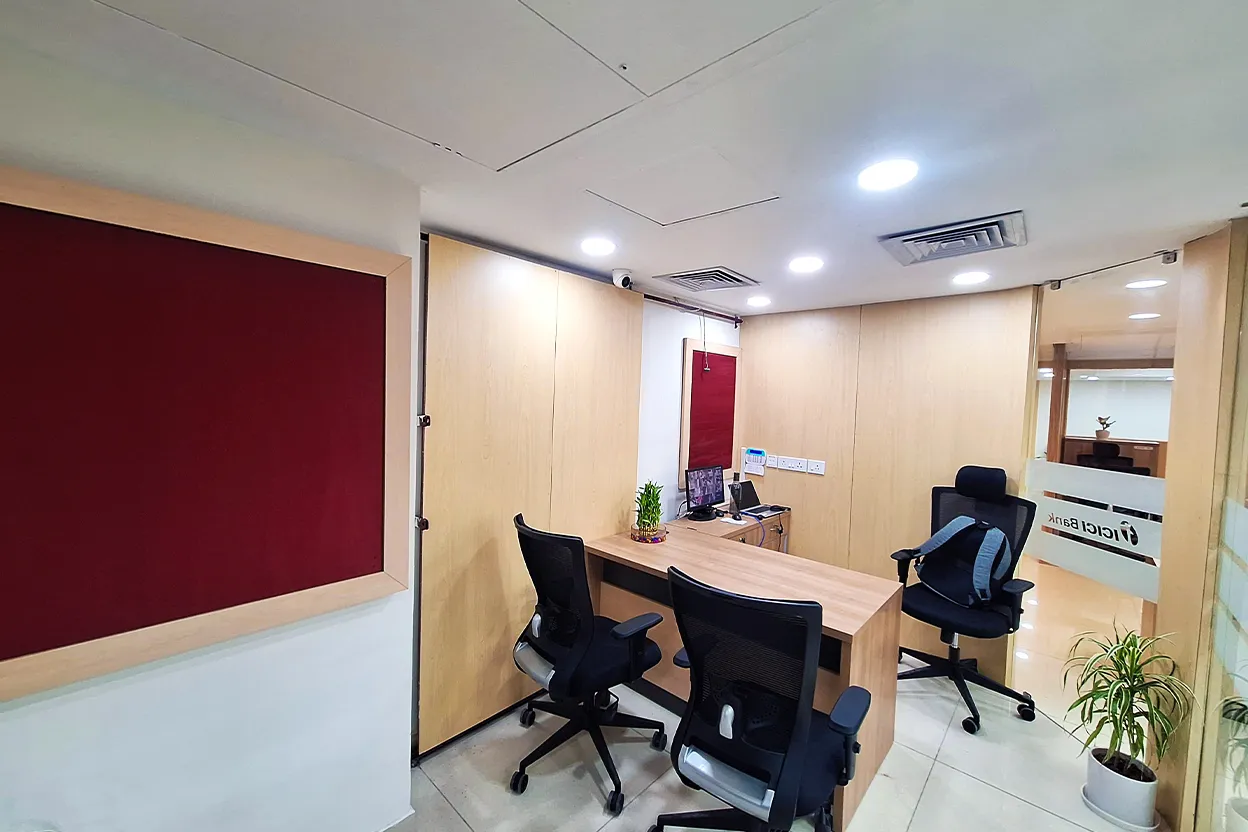
Glass partitions are particularly useful in contemporary corporate offices. They can visually connect the executive cabin with the rest of the workplace while maintaining a sense of privacy.
Options include:
- Clear glass
- Frosted glass
- Fluted or textured glass
- Framed glass partitions
- Switchable privacy glass for premium offices
For cabins that require greater privacy, blinds, curtains, frosting, or smart glass solutions can be incorporated.
5. Prioritise Acoustic Privacy
Executive cabins often involve confidential conversations and important business discussions. Acoustic planning should therefore be considered during the design stage.
Useful solutions include:
- Acoustic wall panels
- Carpet or acoustic flooring
- Sound-absorbing ceiling systems
- Sealed glass partitions
- Soft furnishings
- Acoustic doors
Good acoustic planning can make the cabin more comfortable while reducing unwanted sound transmission.
6. Use Layered Lighting
Lighting plays an important role in both the appearance and functionality of an executive cabin.
A balanced lighting plan can combine:
- General ceiling lighting
- Task lighting at the desk
- Accent lighting
- Decorative lighting
- Natural daylight
Avoid excessive glare on computer screens and ensure that meeting areas receive sufficient illumination.
7. Bring Natural Materials into the Cabin
Natural-looking materials can make an executive cabin feel warmer and more sophisticated.
Popular choices include:
- Wood veneers
- Natural stone or stone-look finishes
- Textured laminates
- Glass
- Metal accents
- Natural fabrics
The key is to combine materials carefully rather than using too many finishes in one space.
8. Select a Sophisticated Colour Palette
Executive cabins generally benefit from a restrained colour scheme. Neutral shades can create a calm and professional environment, while carefully selected accent colours can reinforce corporate identity.
Suitable combinations can include:
- Warm white with natural wood
- Grey with walnut finishes
- Beige with dark wood
- Charcoal with lighter finishes
- Corporate brand colours used as accents
9. Create a Feature Wall
A feature wall can give the executive cabin a strong visual identity without requiring excessive decoration.
Possible options include:
- Wooden wall panelling
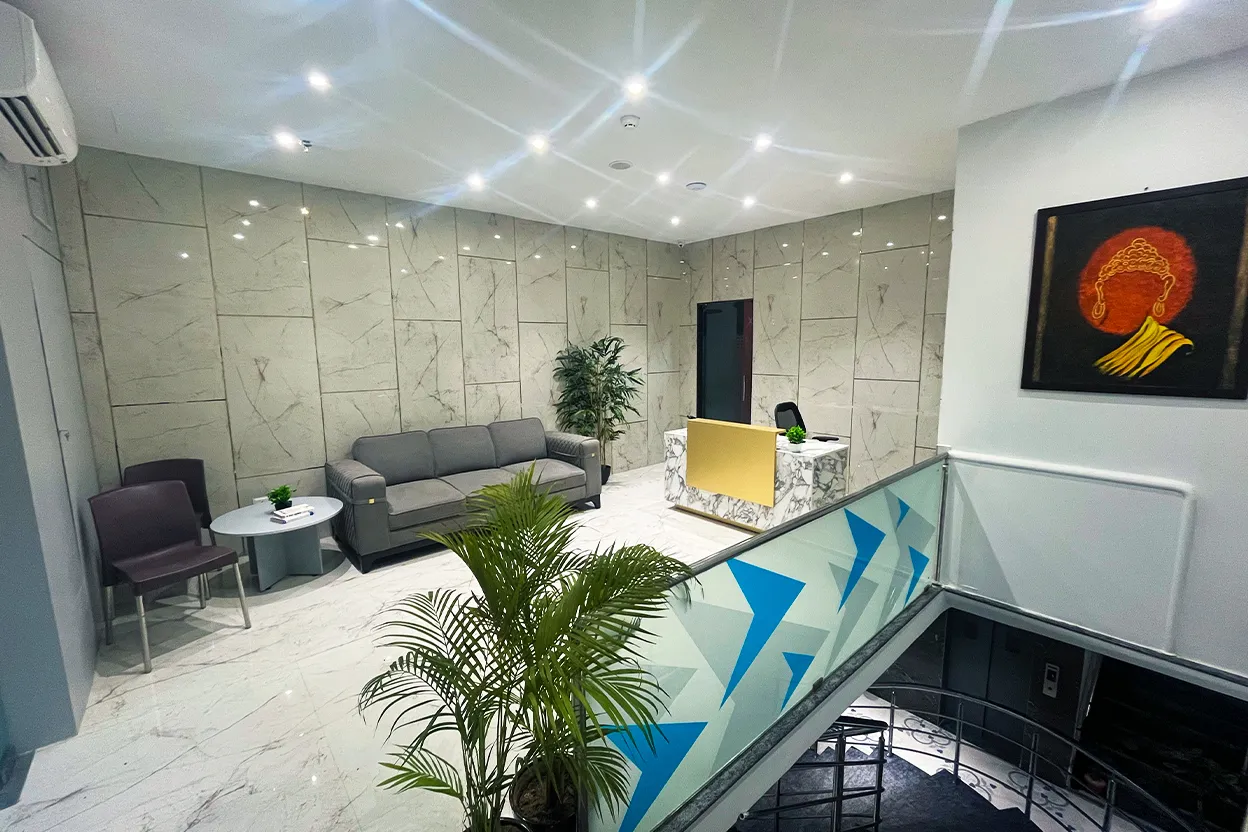
- Stone or marble-look surfaces
- Textured wall finishes
- Backlit panels
- Corporate logo walls
- Artwork or carefully selected graphics
The feature wall is often most effective behind the executive desk or in the primary visual area of the cabin.
10. Choose Comfortable Executive Seating
An executive cabin needs comfortable seating for both the person using the cabin and visitors.
Consider:
- Ergonomic executive chairs
- Comfortable visitor chairs
- Compact lounge seating where space permits
- Durable upholstery
- Furniture that complements the overall design
Seating should support long meetings without making the room feel crowded.
11. Integrate Smart Office Technology
A modern executive cabin should support digital working and seamless communication.
Technology can include:
- Video conferencing systems
- Large display screens
- Wireless presentation systems
- Integrated charging points
- Smart lighting controls
- Motorised blinds
- Smart access and security systems
Wherever possible, technology should be integrated into the furniture and walls so that cables do not visually clutter the workspace.
12. Plan Functional Storage
Storage is essential in an executive cabin, but large traditional cabinets can quickly make the space feel heavy.
Consider:
- Built-in storage units
- Low-height cabinets
- Hidden storage
- Open shelves for selected décor
- Integrated document storage
A combination of concealed and open storage can maintain a clean appearance while keeping frequently used items accessible.
13. Add Biophilic Elements
Plants and natural elements can soften the formal appearance of an executive cabin and contribute to a more comfortable workplace environment.
Depending on the space, consider:
- Indoor plants
- Planters integrated into furniture
- Natural wood finishes
- Nature-inspired artwork
- Views toward outdoor greenery
14. Reflect the Company's Brand Identity
An executive cabin should feel connected to the organisation's overall corporate identity.
Branding can be introduced through subtle elements such as colours, materials, graphics, artwork, signage, furniture details, or the company's logo.
The goal is not to turn the cabin into an advertisement. Instead, the design should communicate the company's personality and values naturally.
15. Balance Privacy and Openness
Executive cabins need privacy, but completely enclosed spaces can sometimes feel disconnected from the workplace.
Glass partitions, blinds, acoustic treatments, and carefully planned furniture layouts can create a balance between openness and confidentiality.
16. Maintain a Balanced Furniture Layout
Furniture placement should allow comfortable movement around the cabin. Avoid placing oversized desks, cabinets, sofas, or meeting tables simply because the space is available.
A good layout should provide clear circulation paths and enough space around furniture for everyday movement.
17. Consider Flexible Executive Cabin Design
Corporate workplaces are changing, and executive cabins can also benefit from flexible planning.
Movable furniture, modular meeting tables, adaptable technology, and multifunctional areas can allow the cabin to support different activities throughout the day.
Executive Cabin Size and Design Approach
| Cabin Size | Recommended Design Approach |
|---|---|
| Small Executive Cabin | Compact desk, glass partitions, wall-mounted storage and minimal furniture. |
| Medium Executive Cabin | Executive desk, visitor seating, storage and a small meeting area. |
| Large Executive Cabin | Executive workstation, meeting zone, lounge seating, storage and integrated technology. |
Executive Cabin Design Ideas for Small Offices
A smaller executive cabin does not need to feel cramped. Smart space planning can create a premium appearance even within a limited footprint.
- Use glass partitions to maintain visual openness.
- Choose a compact executive desk.
- Use vertical storage instead of bulky floor cabinets.
- Use light colours to create a spacious appearance.
- Install wall-mounted displays.
- Keep decorative elements minimal.
- Use multifunctional furniture where possible.
Common Executive Cabin Design Mistakes to Avoid
- Using oversized furniture
- Blocking natural light
- Ignoring acoustic privacy
- Using too many colours or materials
- Creating insufficient circulation space
- Ignoring cable management
- Overloading the cabin with decorative elements
- Choosing aesthetics over functionality
- Ignoring ergonomic requirements
- Not considering future technology requirements
Executive Cabin Design Checklist
- Functional executive desk
- Ergonomic executive chair
- Comfortable visitor seating
- Efficient storage
- Acoustic privacy
- Balanced lighting
- Technology integration
- Brand identity
- Natural materials or biophilic elements
- Clear circulation space
- Appropriate privacy solutions
- Future-ready planning
Conclusion
Modern executive cabin design is about creating a space that feels professional without becoming unnecessarily formal or heavy. The best executive cabins combine ergonomics, privacy, technology, efficient space planning, premium materials, lighting, and corporate identity.
Whether the cabin is compact or spacious, the focus should always remain on how the space supports leadership, meetings, productivity, and day-to-day business activities.
With the right commercial interior planning, an executive cabin can become a comfortable, functional, and impressive part of a modern corporate workplace.
Frequently Asked Questions (FAQs)
1. What should a modern executive cabin include?
A modern executive cabin should ideally include an ergonomic executive desk and chair, visitor seating, functional storage, appropriate lighting, acoustic privacy, technology integration, and design elements that reflect the company's brand identity.
2. How can I make a small executive cabin look spacious?
Use glass partitions, lighter colours, compact furniture, vertical storage, integrated technology, and uncluttered layouts. Keeping circulation areas clear can also make a small cabin feel more spacious.
3. Is glass partitioning suitable for executive cabins?
Yes. Glass partitions can create a contemporary appearance and maintain visual connection with the workplace. Frosted glass, blinds, curtains, or other privacy solutions can be added when confidentiality is important.
4. How important is acoustic privacy in an executive cabin?
Acoustic privacy is important when executive cabins are used for confidential meetings, employee discussions, financial decisions, or client conversations. Acoustic panels, suitable doors, ceilings, flooring, and partition systems can help improve sound control.
5. What type of lighting is best for an executive cabin?
A combination of general, task, and accent lighting usually works well. Natural daylight should also be used wherever possible while controlling glare on computer screens.
6. How can an executive cabin reflect corporate branding?
Corporate branding can be incorporated through colours, materials, artwork, feature walls, furniture details, graphics, and subtle logo placement without making the cabin look overly promotional.
7. Should an executive cabin have a separate meeting area?
If sufficient space is available, a separate meeting area can be highly useful. It allows executives to conduct discussions without having every visitor sit across the main workstation.
8. What furniture is essential for an executive cabin?
The essential furniture generally includes an executive desk, ergonomic chair, visitor chairs, and storage. Larger cabins can also accommodate a meeting table or lounge seating.
9. How can technology be integrated into an executive cabin?
Technology can be integrated through video-conferencing systems, displays, wireless presentation systems, charging points, smart lighting, motorised blinds, and concealed cable-management solutions.
10. What materials work well for modern executive cabins?
Wood finishes, glass, stone or stone-look surfaces, metal accents, textured laminates, acoustic materials, and premium fabrics can all work well when selected as part of a coordinated material palette.
11. How do I avoid making an executive cabin look too formal?
Use a balanced combination of contemporary furniture, natural materials, plants, comfortable seating, softer lighting, and minimal decorative elements. Avoid excessive dark wood, oversized furniture, and unnecessary ornamentation.
12. Why is professional space planning important for an executive cabin?
Professional space planning helps balance furniture, circulation, privacy, lighting, storage, technology, and meeting requirements. It can also ensure that the cabin supports the executive's daily activities without wasting valuable office space.
Priya Sharma
Senior Interior Designer
Priya specializes in modern office ergonomics and sustainable interior solutions, bringing aesthetic functionality to every project.