How to Plan a Functional Office Layout: A Step-by-Step Guide for 2026
 Amitabh Ghose
In the modern era of work, a functional office is no longer just a collection of desks and chairs. It is a strategic tool designed to facilitate workflow, improve employee well-being, and support a hybrid workforce.
Whether you are designing a corporate headquarters or a boutique studio, a poorly planned office layout can create daily frustrations that impact productivity. This guide walks you through the key steps to planning an office that actually works.
How to Plan a Functional Office Layout for Maximum Productivity
Step 1: Conduct a Needs Assessment and Spatial Audit
Before selecting furniture or finalizing a floor plan, understand how your team operates and moves through the workspace.
- Identify work styles and daily activities.
- Analyze peak office occupancy instead of total headcount.
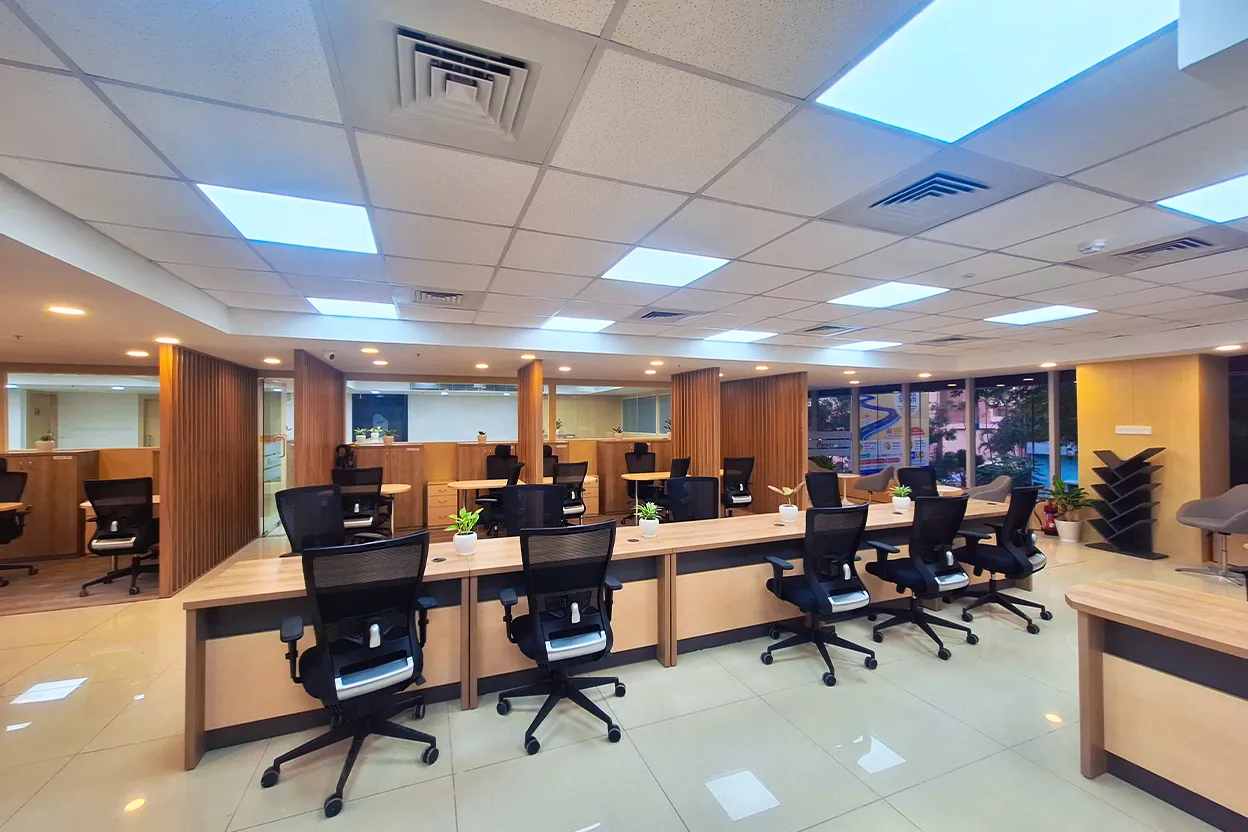
- Consider allocating approximately 60% of the office to individual workspaces and 40% to collaborative and social areas.
Step 2: Define Core Activity Zones
Modern office planning often follows an Activity-Based Working (ABW) model. Instead of assigning fixed desks, create dedicated spaces for different work activities.
- Focus Zone: Quiet spaces designed for concentrated work.
- Huddle Zone: Informal collaboration areas with whiteboards and flexible seating.
- Social Hub: Community spaces that encourage interaction and teamwork.
Step 3: Prioritize Traffic Flow and Movement
A productive office minimizes bottlenecks and unnecessary distractions.
- Keep primary walkways spacious and unobstructed.
- Place frequently collaborating departments close together.
- Separate quiet work areas from high-traffic zones.
Step 4: Integrate Hybrid Work Technology
Modern office layouts should seamlessly connect in-office and remote employees.
- Install acoustic pods for private calls and virtual meetings.
- Design meeting rooms with optimal camera angles.
- Ensure technology supports effective collaboration across locations.
Step 5: Maximize Natural Light and Air Quality
Environmental factors play a major role in employee comfort and productivity.
- Position desks close to natural light sources whenever possible.
- Use indoor plants as natural dividers between work zones.
- Improve ventilation and indoor air quality.
Step 6: Choose Modular and Flexible Furniture
Workplace needs evolve over time, making flexibility essential.
- Use mobile desks and adaptable meeting tables.
- Invest in ergonomic chairs and sit-stand desks.
- Select furniture that can be easily reconfigured.
Step 7: Test, Measure, and Optimize
Before finalizing the layout, gather feedback and observe how employees use the space.
- Monitor traffic patterns and workspace usage.
- Identify underutilized areas.
- Make adjustments based on employee feedback and operational needs.
Conclusion
A functional office layout is about more than aesthetics. It creates an environment that supports productivity, collaboration, employee well-being, and long-term business growth.
By focusing on workflow, flexibility, technology integration, and employee experience, organizations can create office spaces that adapt to modern working styles and maximize performance.
Frequently Asked Questions
What is the first step in planning an office layout?
The first step is conducting a needs assessment to understand employee workflows, occupancy levels, departmental requirements, and space utilization before making design decisions.
What is Activity-Based Working (ABW)?
Activity-Based Working is an office design approach that provides different types of workspaces for specific tasks, allowing employees to choose the environment best suited to their work.
How can I reduce noise in an open office layout?
Noise can be minimized through proper zoning, acoustic panels, rugs, partitions, phone booths, and dedicated quiet work areas.
Why is traffic flow important in office design?
Efficient traffic flow reduces distractions, prevents congestion, and helps employees move easily between different work zones.
Should modern offices still include private offices?
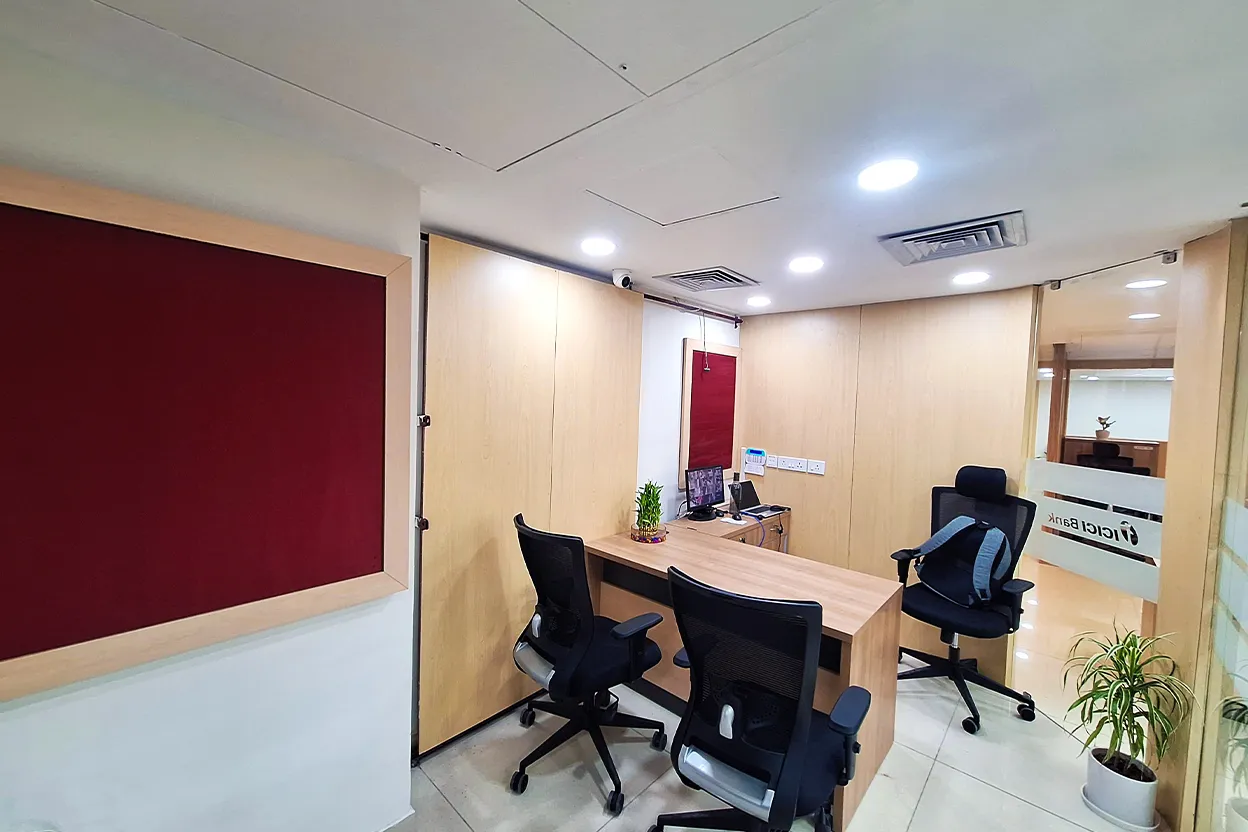
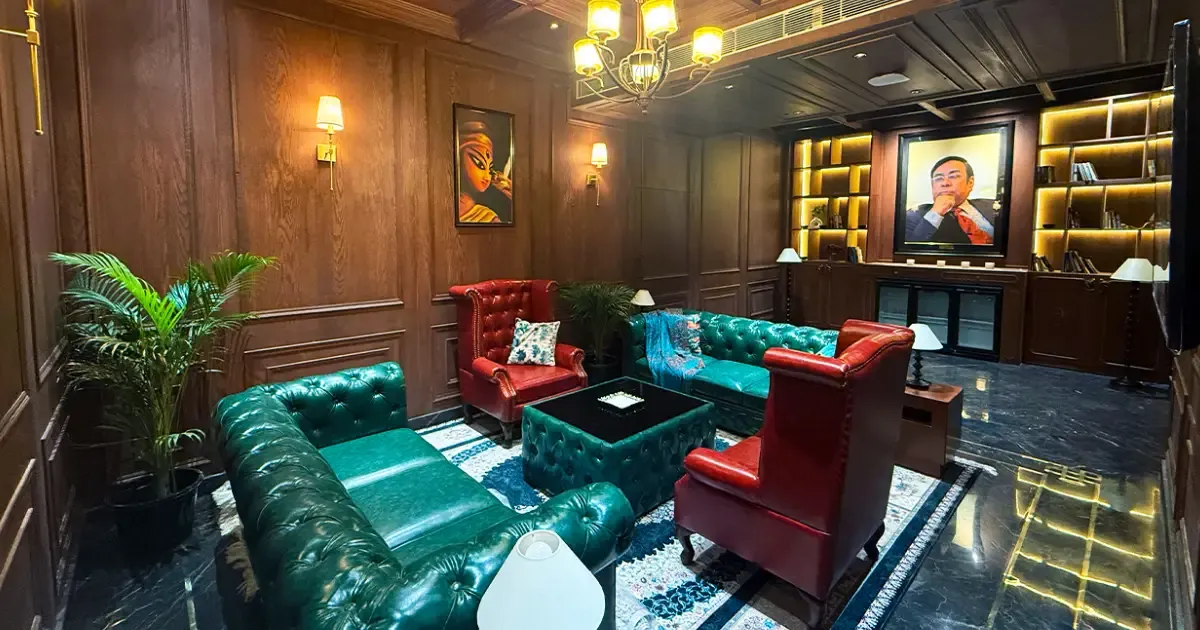
Many modern workplaces use flexible executive suites that can function as private offices when needed and as shared meeting spaces when not in use.
How does lighting affect workplace productivity?
Natural light and well-designed artificial lighting can improve focus, reduce eye strain, enhance mood, and support overall employee well-being.
What is the biggest office planning mistake businesses make?
One of the most common mistakes is creating rigid layouts that cannot adapt to future growth, workforce changes, or evolving business needs.
How often should an office layout be reviewed?
Businesses should review office layouts every 12 to 18 months to ensure the workspace continues to support employee needs and organizational goals.
Amitabh Ghose
Principal Architect
With over 20 years of experience in interior construction and architectural design, Amitabh leads the creative vision at B.K.Ghose & Co.