Questions to Ask Before Hiring a Commercial Interior Designer: A Complete Business Owner's Checklist
 Amitabh Ghose
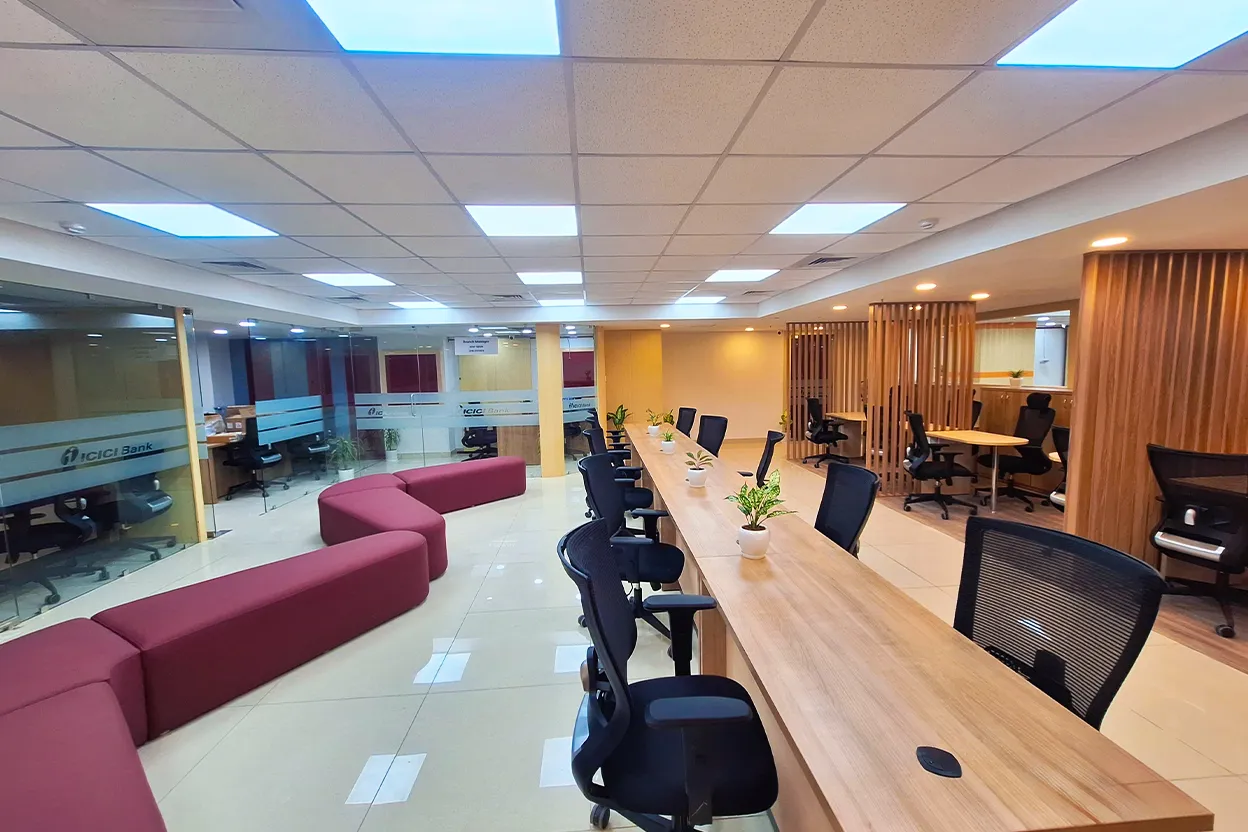
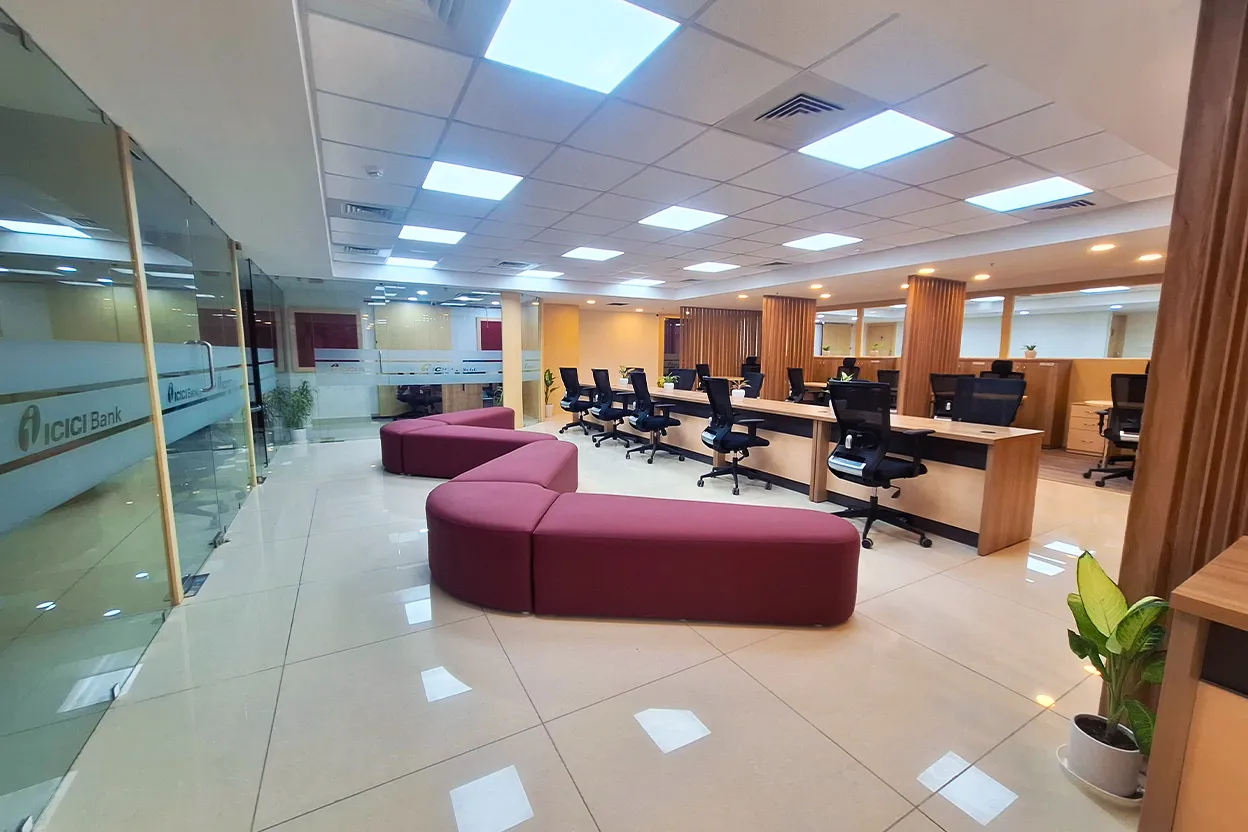
Questions to Ask Before Hiring a Commercial Interior Designer
Hiring a commercial interior designer is more than choosing someone who can create attractive interiors. The right professional should understand your business objectives, workflow, employees, customers, brand identity, budget, and future expansion plans.
A commercial interior project requires careful planning, technical expertise, regulatory compliance, and project management. Asking the right questions before hiring an interior designer helps reduce risks and ensures your investment delivers long-term value.
Before making your final decision, here are the most important questions every business owner should ask.
1. Do You Have Experience with Commercial Interior Projects?
Commercial interiors are very different from residential projects. An experienced commercial interior designer understands the unique requirements of business environments and can deliver spaces that support operational efficiency, employee productivity, and customer experience.
Ask whether they have experience with:
- Office workflow planning
- Retail customer movement
- Commercial building regulations
- Fire safety compliance
- HVAC coordination
- Electrical planning
- Accessibility requirements
Always request examples of previous commercial projects similar to yours.
2. Can I See Your Portfolio?
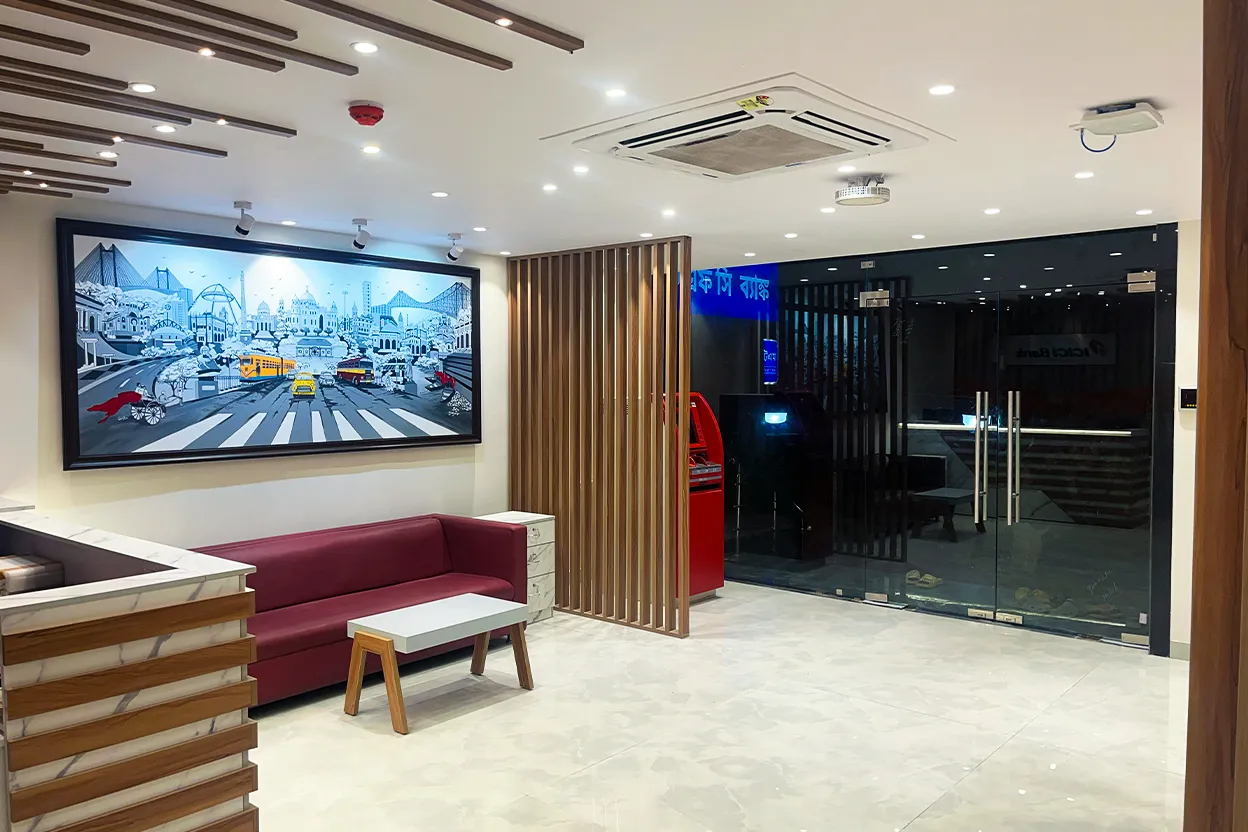
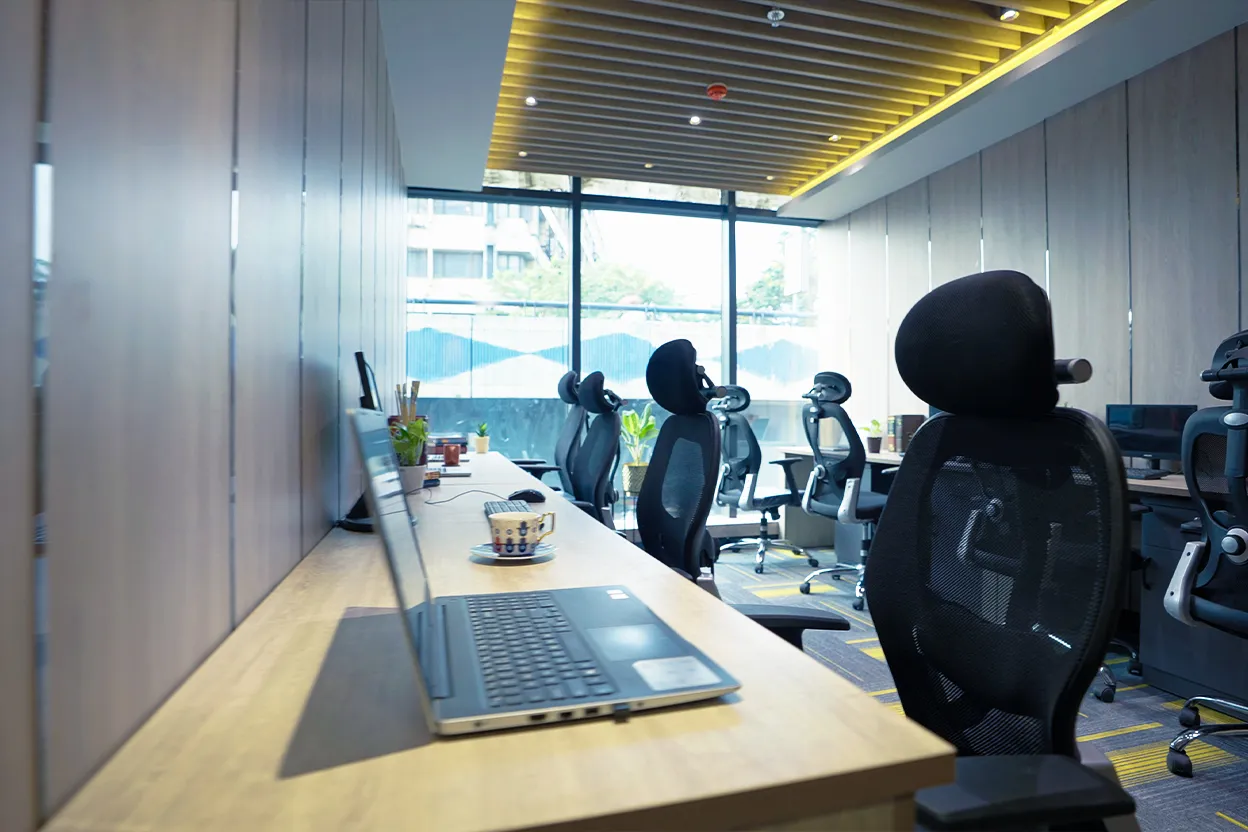
A professional portfolio provides valuable insight into a designer's capabilities, project quality, and industry experience.
Review projects such as:
- Corporate offices
- Retail stores
- Restaurants
- Healthcare facilities
- Educational institutions
Look beyond attractive visuals and evaluate:
- Space utilization
- Functionality
- Lighting design
- Employee comfort
- Brand consistency
3. How Do You Understand My Business?
A professional commercial interior designer should ask detailed questions before proposing solutions. Every business operates differently, and the design should reflect those unique operational needs.
They should understand:
- Business goals
- Company culture
- Employee requirements
- Customer experience
- Future expansion plans
Your workspace should support business growth—not simply look attractive.
4. What Is Included in Your Interior Design Service?
Many businesses assume every service is included, which can lead to misunderstandings later.
Ask whether the service includes:
- Site survey
- Space planning
- 2D layouts
- 3D visualizations
- Material selection
- Furniture planning
- Lighting design
- HVAC coordination
- MEP coordination
- Project management
A clearly defined scope helps prevent unexpected costs and project delays.
5. Who Will Manage the Project?
Commercial interior projects involve multiple specialists working together. A dedicated project manager ensures seamless coordination throughout the project.
Ask who will coordinate:
- Architects
- Civil contractors
- Electricians
- HVAC contractors
- Furniture suppliers
- Vendors
- Building management
Strong project management keeps construction on schedule and minimizes disruptions.
6. What Is the Estimated Timeline?
Every commercial project should have realistic milestones and delivery dates.
Request a timeline covering:
- Design development
- Approvals
- Procurement
- Construction
- Installation
- Final handover
Be cautious of companies that promise unrealistic completion dates.
7. How Will You Control the Budget?
Budget transparency is essential for successful commercial interior projects.
Ask how they manage:
- Cost estimates
- Material alternatives
- Design change requests
- Budget tracking
- Contingency planning
A transparent budgeting process reduces financial surprises during construction.
8. Do You Follow Local Building Regulations?
Commercial interior projects must comply with local building codes and safety regulations.
Discuss compliance related to:
- Fire safety standards
- Electrical regulations
- Accessibility requirements
- Occupancy guidelines
- Building management approvals
Failure to comply with regulations can delay project completion and occupancy.
9. Can the Office Be Designed for Future Growth?
Business requirements evolve over time, so your workspace should be flexible enough to adapt.
Ask whether the design supports:
- Hybrid working models
- Team expansion
- Flexible office layouts
- Modular furniture systems
- Technology upgrades
A future-ready workspace reduces the need for expensive renovations later.
10. How Will the Design Improve Employee Productivity?
Commercial interior design should solve workplace challenges while creating an environment that encourages productivity and collaboration.
Discuss improvements related to:
- Collaboration spaces
- Focus work areas
- Meeting rooms
- Natural lighting
- Ergonomics
- Acoustic comfort
- Employee wellbeing
Every design decision should contribute to better workplace performance.
11. What Materials Do You Recommend?
Material selection affects the appearance, durability, maintenance, and long-term performance of your commercial workspace.
Consider factors such as:
- Durability
- Maintenance requirements
- Sustainability
- Visual appeal
- Long-term operating costs
Choose commercial-grade materials designed for heavy daily use.
12. What Happens After Project Completion?
Your relationship with the interior design company should continue after project handover.
Ask about:
- Warranty coverage
- Maintenance support
- Defect liability period
- Future modifications
- After-sales service
Reliable post-project support protects your investment and ensures long-term satisfaction.
Red Flags When Hiring a Commercial Interior Designer
Be cautious if a company:
- Cannot provide commercial project references
- Offers vague or incomplete quotations
- Promises unrealistic project timelines
- Avoids discussing budgets openly
- Has poor communication practices
- Lacks structured project management processes
- Cannot explain local building regulations or compliance requirements
Final Thoughts
Hiring the right commercial interior designer is one of the smartest investments a business can make. Instead of choosing solely on price or visual appeal, evaluate experience, technical expertise, communication, transparency, and project management capabilities.
By asking the right questions before making your decision, you can choose a trusted partner who will create a workspace that improves productivity, strengthens your brand identity, and supports long-term business growth.
Frequently Asked Questions
What should I ask before hiring a commercial interior designer?
Ask about their commercial project experience, portfolio, design process, project timeline, pricing, regulatory knowledge, project management approach, and post-completion support.
Why is commercial interior design different from residential interior design?
Commercial interior design focuses on business operations, employee productivity, customer experience, building regulations, and workplace functionality, while residential interior design primarily emphasizes personal comfort and aesthetics.
How do I know if a commercial interior designer is experienced?
Review their portfolio, client testimonials, completed commercial projects, certifications, and experience working with businesses similar to yours.
Should I hire an interior designer before leasing office space?
Yes. An experienced commercial interior designer can assess the space before you sign a lease, helping identify potential layout challenges, infrastructure limitations, and renovation costs.
How much does hiring a commercial interior designer cost?
Costs vary depending on project size, design complexity, location, and service scope. Request a detailed proposal with a transparent cost breakdown before proceeding.
Can a commercial interior designer help reduce project costs?
Yes. Experienced professionals optimize space planning, recommend cost-effective materials, minimize design errors, and improve project efficiency to help control overall costs.
What documents should I request before signing a contract?
Request a detailed proposal, project scope, timeline, payment schedule, material specifications, warranty information, and terms covering design changes or additional work.
Why is project management important in commercial interior design?
Professional project management ensures architects, contractors, suppliers, and consultants work together efficiently, keeping the project on schedule, within budget, and compliant with quality standards.
```Amitabh Ghose
Principal Architect
With over 20 years of experience in interior construction and architectural design, Amitabh leads the creative vision at B.K.Ghose & Co.